There are two distinct bodies of work inside every serious brand project.
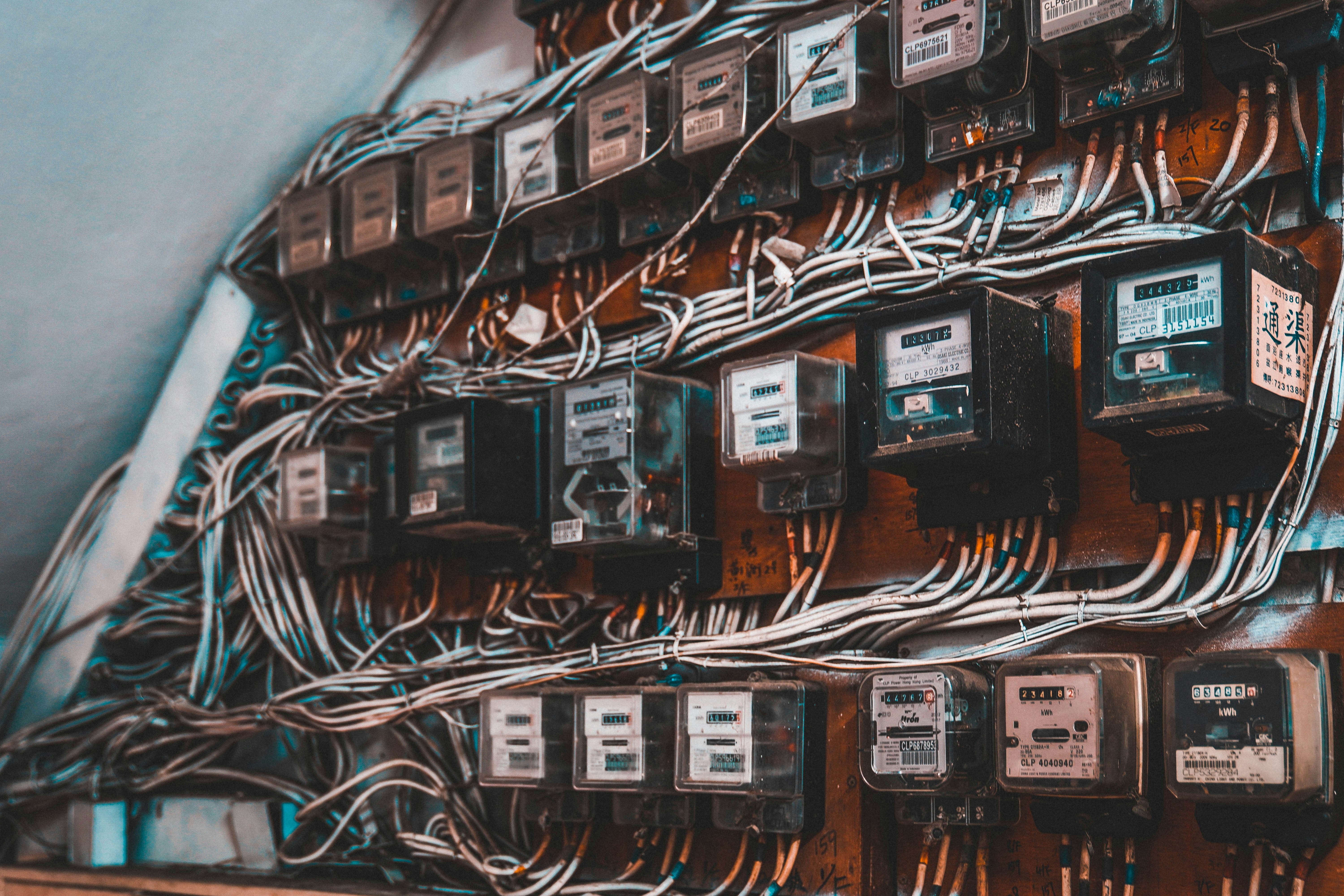
The first is what I call the fuse box. It is the wiring behind the walls: your most important message, the specific people you’re serving, what you stand for as an organization, what success looks like, what you are willing to say publicly and where you draw the line. None of this is visible to the public. It does not show up in what your designer delivers, and it does not get applauded in the launch presentation. It is, however, what everything else runs on. A house without a functioning fuse box has no power regardless of what the exterior looks like.
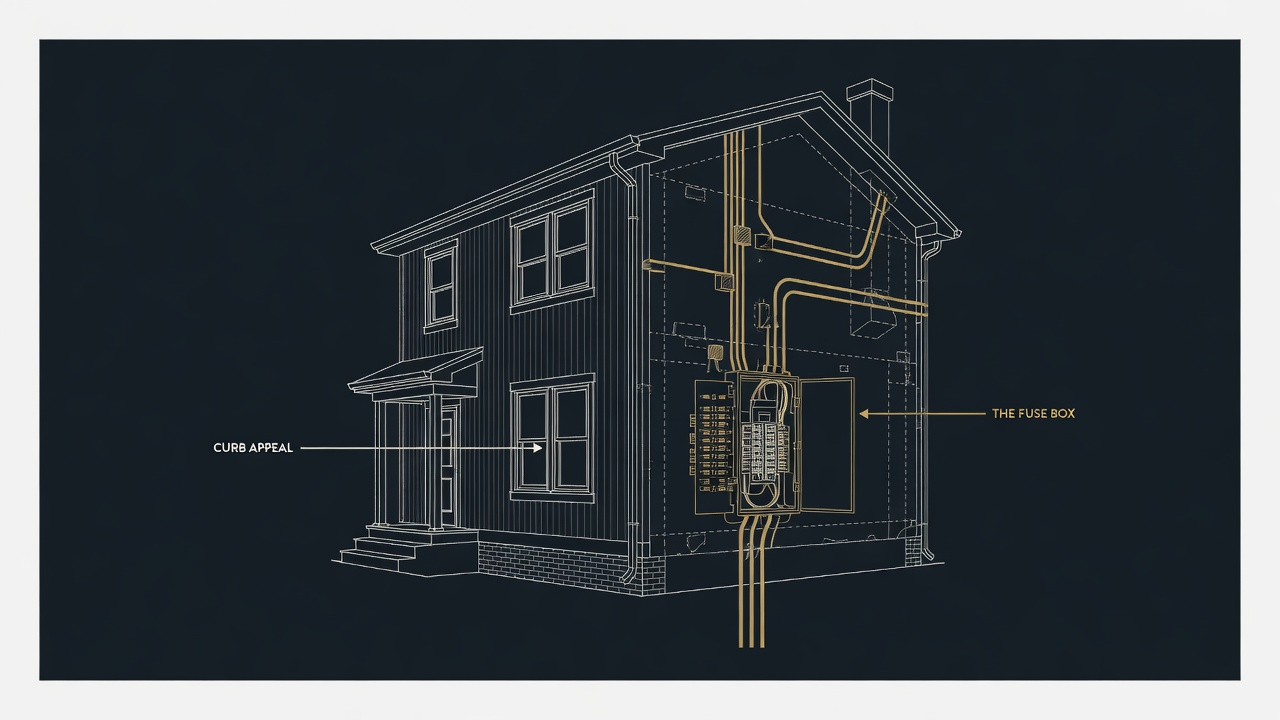
The second body of work is curb appeal: the public-facing expressions of all those internal decisions. Colors, logo, photography, website, the way your business shows up across every surface someone might encounter it. This is what people see when they drive by. This is what your designer delivers. This is what gets approved in the presentation and posted on social the day you launch.
Most organizations skip the first and go straight to the second. They hire an agency, pick a palette, build a site, and call it a rebrand. What they have assembled is a set of outputs with no inputs behind them. The visual work has nowhere to anchor. It will drift. It will be inconsistently applied. It will be refreshed in two years when the principals get tired of looking at it, and the cycle will repeat because there was never anything underneath it worth preserving.
The fuse box work is harder than it sounds because it requires decisions most organizations prefer to defer. Who are we actually serving? What is the one thing we want to be known for? What do we believe strongly enough to say when it costs something? Every one of those is a leadership question. The designer cannot answer them for you. Answering them honestly is uncomfortable. Skipping them is comfortable and expensive.
Any real estate organization with a reputation that precedes it has done both. The curb appeal is strong because the fuse box is complete. The visual language expresses something that was actually decided. The photography reflects a real point of view. The website says something specific because there is something specific to say. When someone encounters that brand for the first time, they see the curb appeal. What they feel is everything that came before it.
That feeling is the fuse box working.