
CCP is dead. Agents killed it. NAR keeps refusing to call the time of death, but that is a procedural detail at this point. What matters now is what comes next, and whether the industry is willing to be honest about what the policy was actually doing before it collapsed.
The Clear Cooperation Policy was supposed to be the floor. A property goes public, the listing goes on the MLS within one business day, and the broader market gets a real shot at the deal. Simple. Protective. Pro-consumer.
That is not what most agents I know have been doing with it. The reality is a three-phase rollout. Private exclusive first. Coming soon next. On the MLS only when the listing agent has exhausted their own pipeline. Each phase comes with a justification about seller preference and market positioning. The actual mechanic is simpler. Extend the window in which the listing agent can find the buyer themselves.
This is not a fringe behavior. According to internal Compass documents surfaced by the Consumer Policy Center, off-market transactions result in single-agent dual representation 72% more often than MLS-listed transactions. That is by design. That is the strategy.
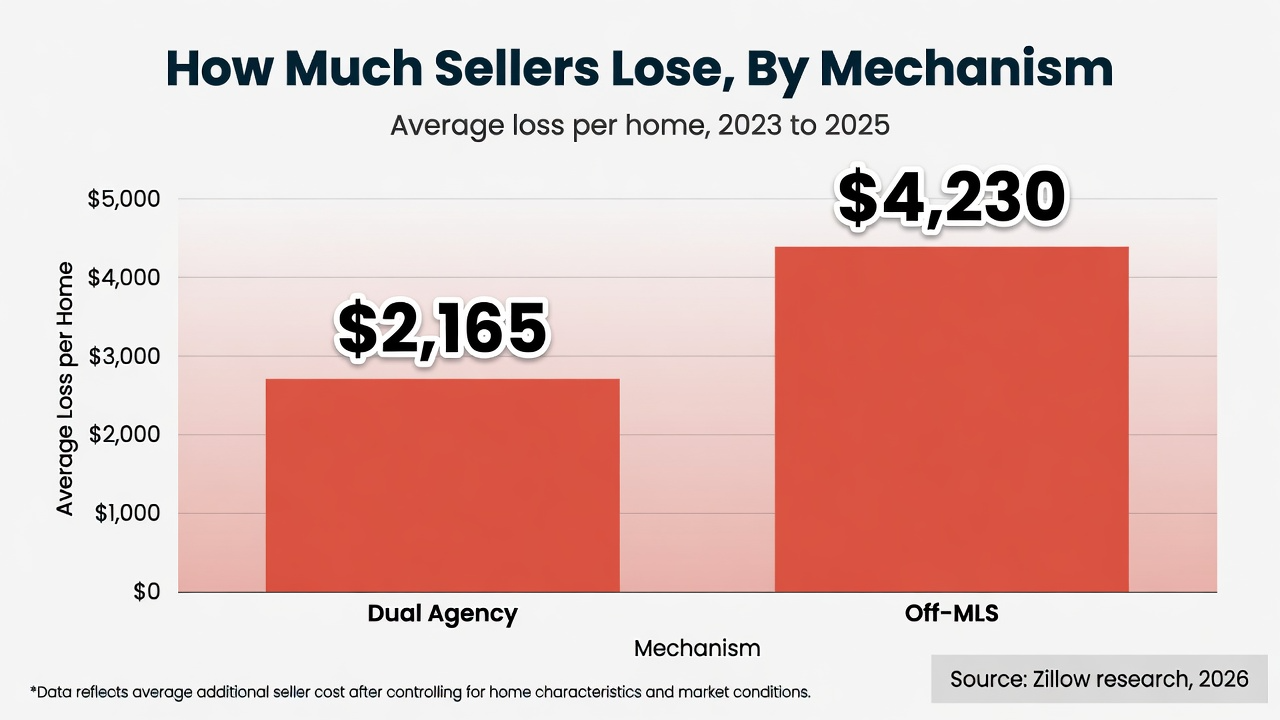
The harm is documented. Zillow research shows that dual agency transactions cost sellers a combined $1.49 billion over three years, about $2,165 per home. Off-MLS listings cost sellers another $1.36 billion in the same window, an average of $4,230 per home.
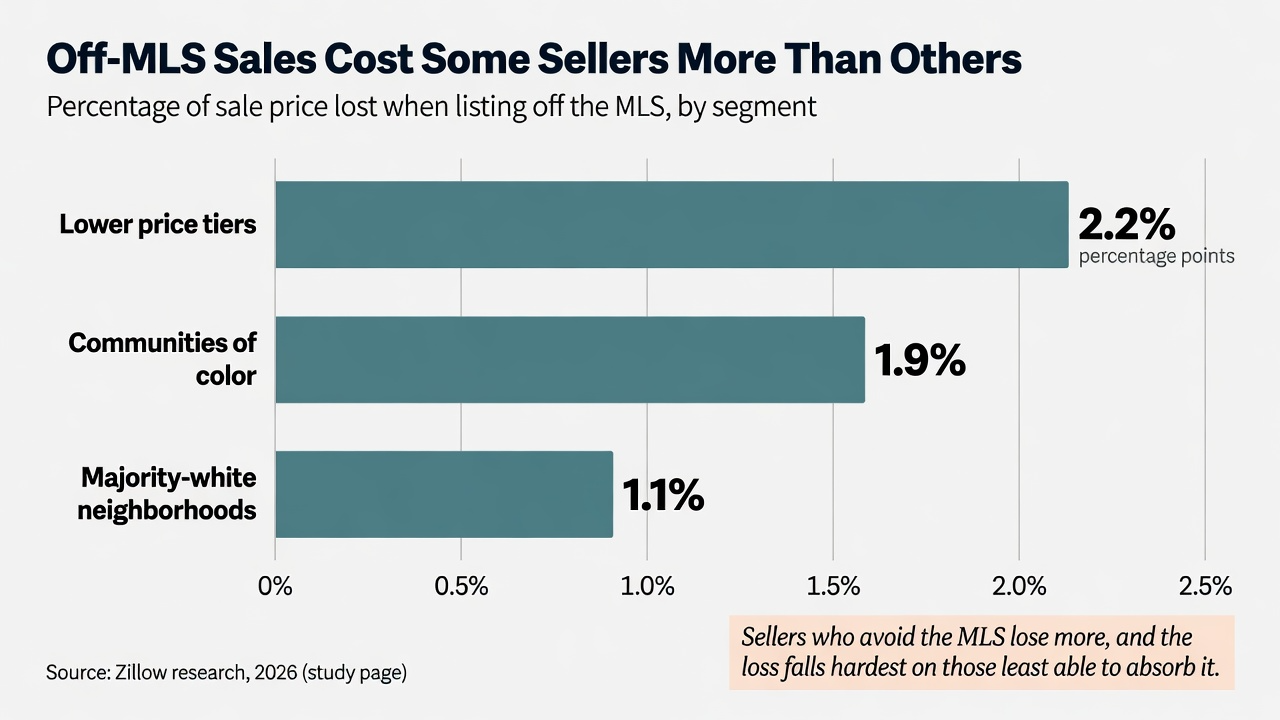
And the costs do not fall evenly across communities. Off-MLS sellers in lower price tiers lost 2.2% of sale price. Sellers in communities of color lost 1.9% off the MLS versus 1.1% in majority-white neighborhoods. The further you sit from where the listing agent’s buyer network actually shops, the more the system costs you.
The three-phase rollout has a second function that has very little to do with property marketing. The industry stays quiet about this one. It is a tool for marketing the listing agent. Each phase of the rollout is an opportunity to post about the property on social, to send it to a sphere, to remind a network that the agent is busy and exclusive and well-connected. The longer the listing sits in coming-soon purgatory, the more times the agent gets to perform competence with someone else’s house as the prop. The seller is paying for the agent’s content calendar.
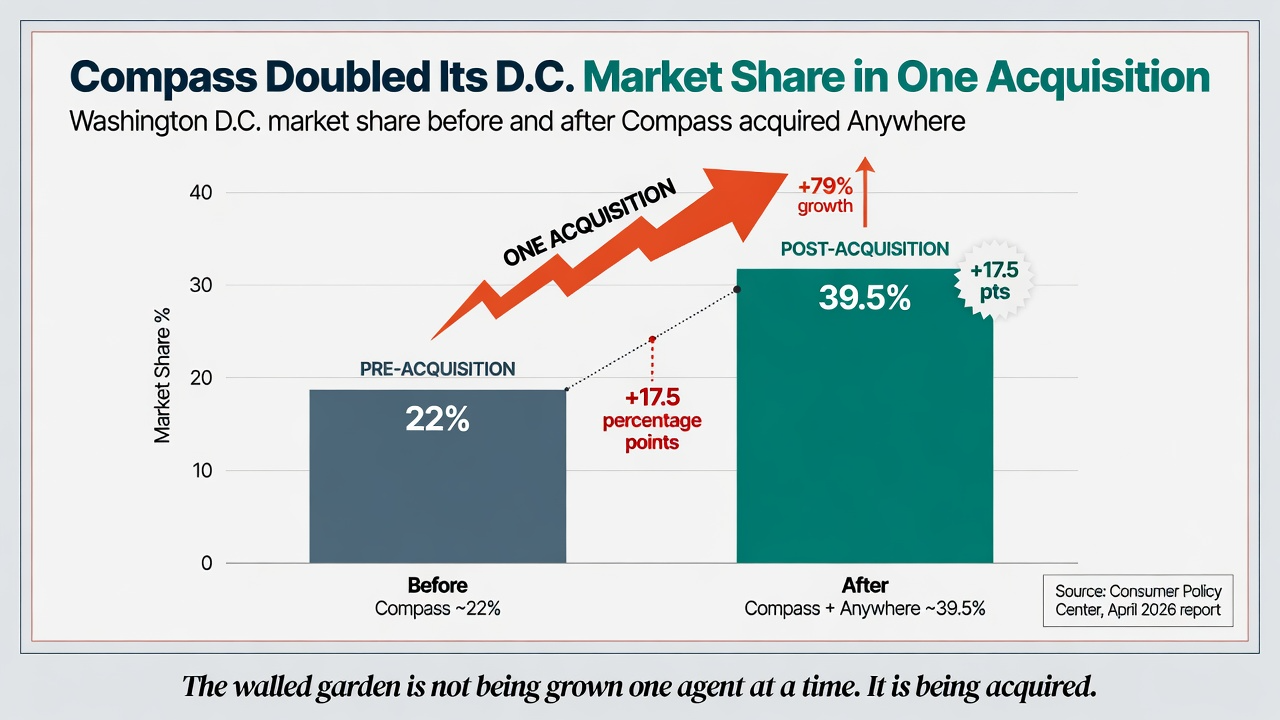
I spent meaningful time at Luxury Presence helping to shape the narrative around the legitimate use of private listings. There are real ones. At the absolute top of the market, in specific circumstances, a private rollout serves the seller’s interests. That is a genuine carve-out. But what we are watching now, particularly at scale through Compass, is the deliberate construction of a walled garden where an entire brokerage’s inventory routes through the brokerage’s own agents before the open market sees it. Regulatory arbitrage at industrial scale, dressed up as innovation.
So eliminate it. All of it.
The current NAR approach, adding another exception and another modification and another bandage, is not going to save a policy that the largest brokerage in the country has formally rejected as binding. MLS participation should not be compulsory. If an agent is genuinely operating in the fiduciary best interest of a seller, that agent will choose the market exposure that serves the seller. If they choose otherwise, they should be able to explain why. The market does not need a rule to compel behavior that competent fiduciaries would already be doing.
Two changes make this work. First, ban double-ended commissions. No listing agent earns the buyer side of their own deal. The moment the financial incentive to capture the buyer disappears, so does the structural temptation to wall off the listing in the first place. The listing agent’s interests align with the seller’s interests automatically. If a seller still wants to go private, fine. The agent gains nothing from steering them there.
Second, replace CCP with a legal requirement to report every sale, on or off MLS. This needs to be law. State or federal. The MLS stops being a marketing mandate and becomes what it should have been all along, a reporting registry of public record. Off-market deals get tracked. Comps stay accurate. Market monitors keep the picture. The splintering risk that legal experts have flagged as the strongest counterargument to repeal becomes a solved problem the moment reporting is mandatory by statute rather than optional by trade association membership.
The version of this industry that survives the next decade is the version that stops asking NAR to compel ethical behavior and starts requiring it through law. CCP was a workaround for that conversation. The workaround is gone. The conversation is here.